
安芸グランドホテル
AKI GRAND HOTEL
〒739-0412
広島県廿日市市宮島口西1-1-17
Tel. 0829-56-0111 広島県廿日市市宮島口西1-1-17
Fax. 0829-56-3348
E-mail:info@akigh.co.jp
東京営業所:03-6731-4811/
関西営業所:06-6411-1833
関西営業所:06-6411-1833
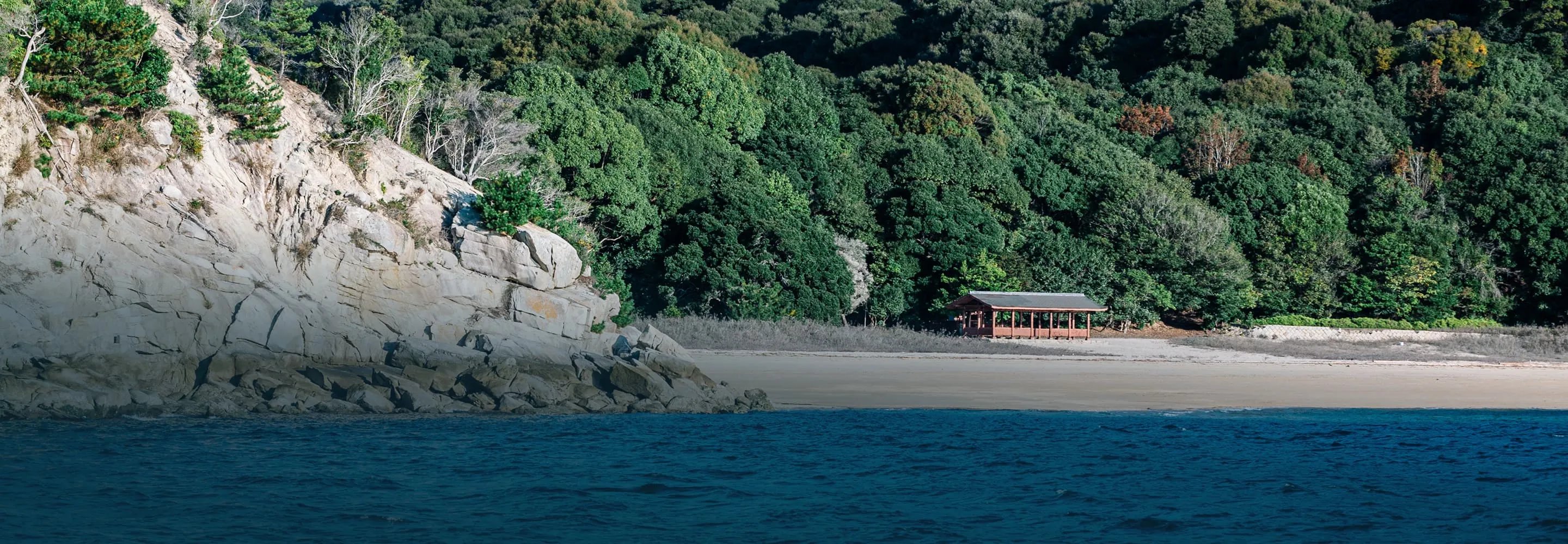
Itsukushima Pilgrimage and Ceremony
The ritual begins in the early morning with a boat carrying Shinto priests leading a boat of participants to Itsukushima. Sailing along the coast, homage is paid to deities enshrined at the auxiliary shrines of Itsukushima Shrine.
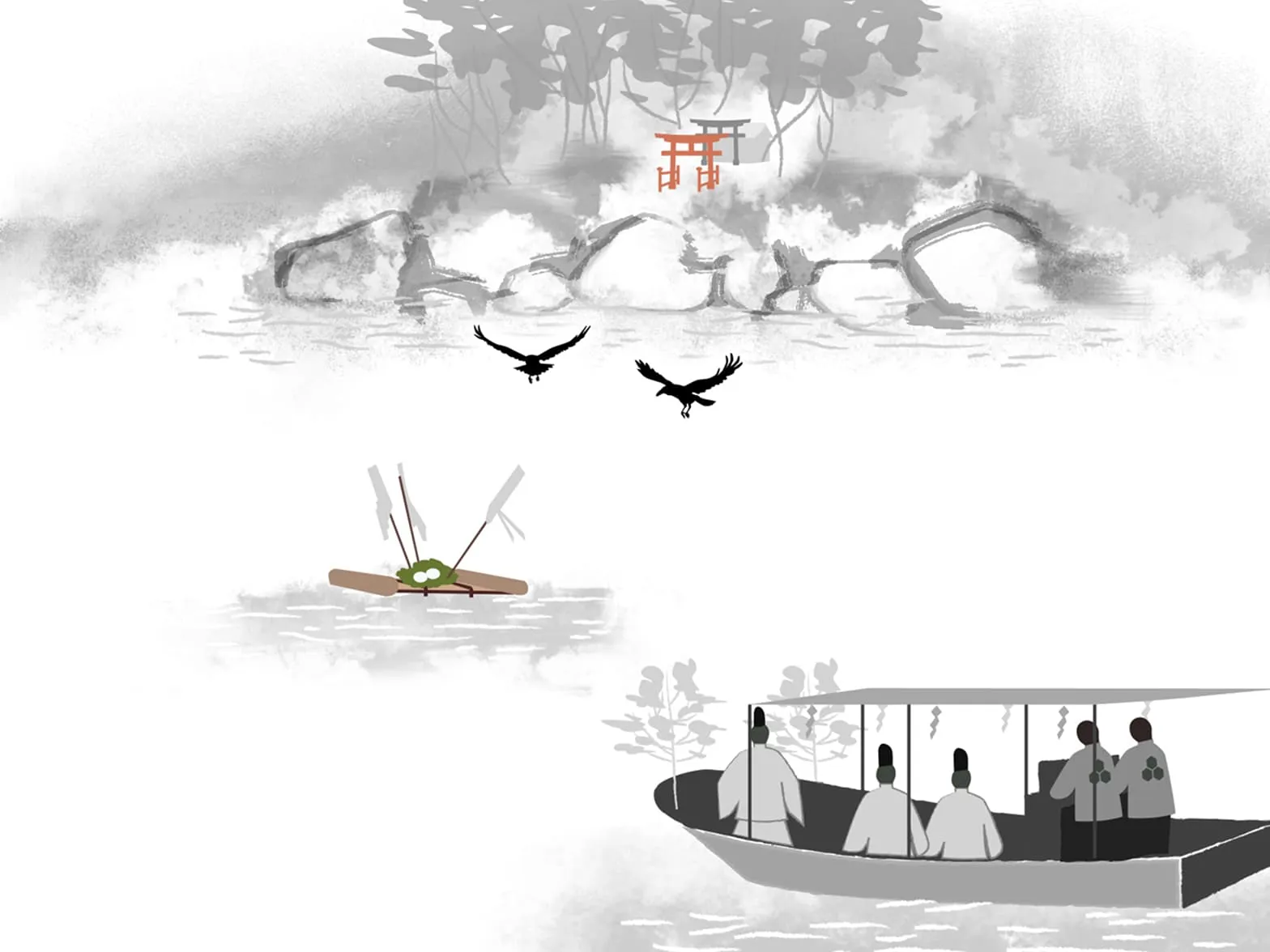
At one of them named Yabusaki Shrine, a rite known as “otogui” ceremony is performed.
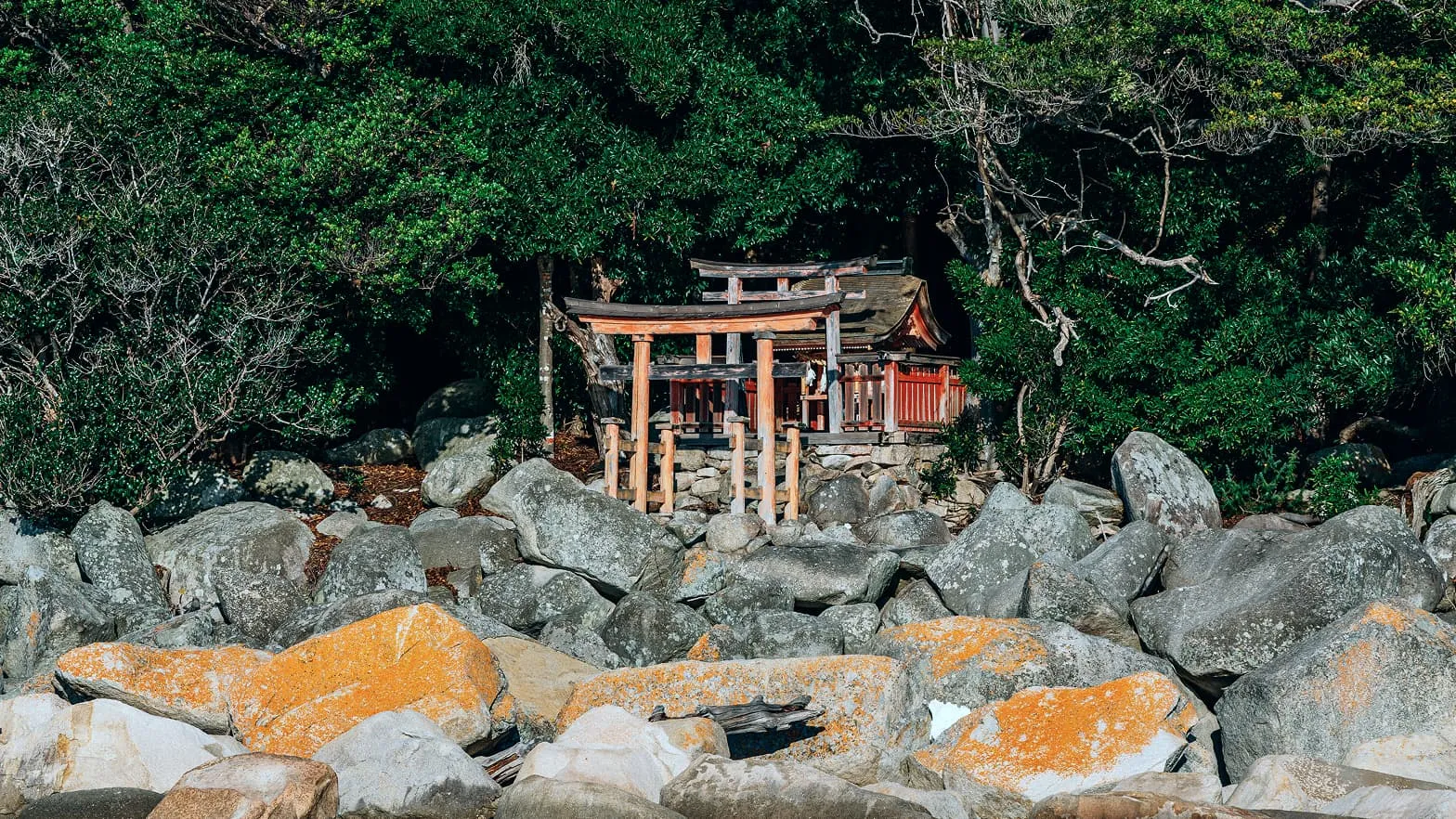
In the pilgrimage, participants pay homage to Itsukushima Shrine as well as to its auxiliary and subsidiary shrines located along the island’s circumference.
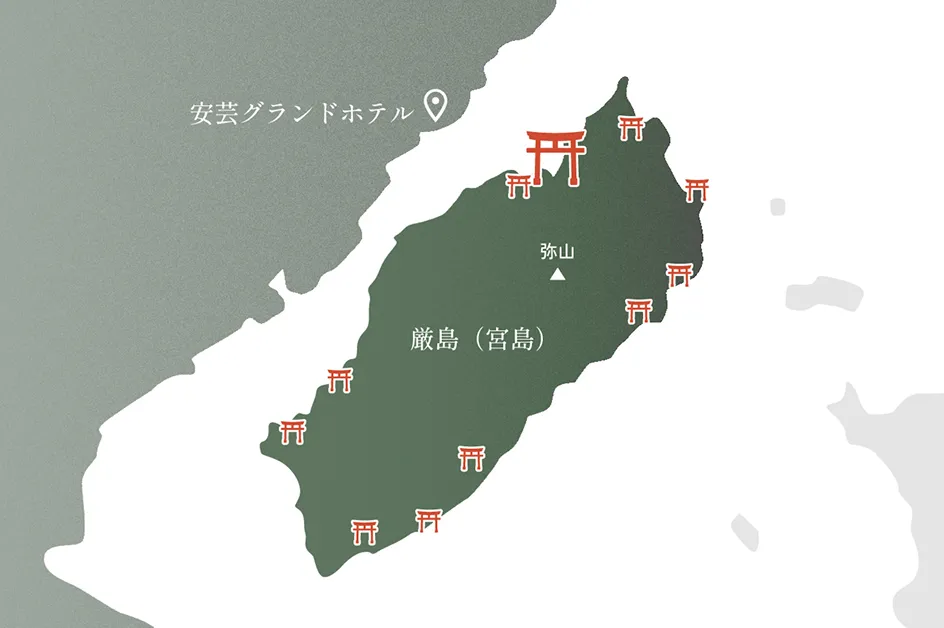 Map of Itsukushima (Miyajima) and the shrines
 The pilgrimage traces back to a Shinto myth about the deities of Itsukushima Shrine who journeyed around the island and settled at their present site.
In emulation of this legend, people have sailed around the island, seeking to strengthen their bond with the deities.
The crest of Itsukushima Shrine features three hexagons with a turtle shell, flower, and sword design. It is said to have drawn inspiration from the rock fissure patterns at Mitoko Shrine.
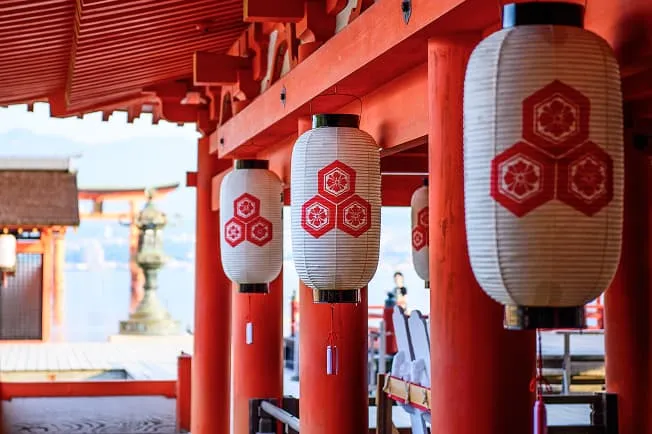 The crest of Itsukushima Shrine
 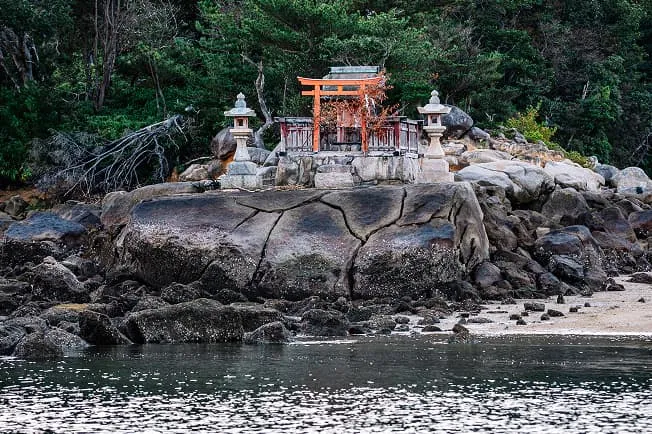 Mitoko Shrine
 A particularly important rite performed during the pilgrimage in the sea off Yabusaki Shrine
Off the coast of Yabusaki Shrine, offerings are placed upon a raft floating on the sea. During the ritual, lucky observers will see messengers of the deities—a pair of male and female divine crows—fly to the raft, take the offerings in their beaks, and carry them into the grove of Yabusaki Shrine.
Some of the shrines visited on the pilgrimage are situated along seven small inlets. These shrines are collectively known as the “Nanaura shrines,” meaning “seven inlet shrines.” They have also been known as the “seven Ebisu of the seven inlets” since around the 16th century, when the worship of Ebisu, the deity of good fortune, prosperity, and the protection of fishermen, became widespread throughout Japan.
Over time, this pilgrimage was referenced in folk songs and came to be known also as “Nanaura meguri,” or the “pilgrimage of the seven inlets.”
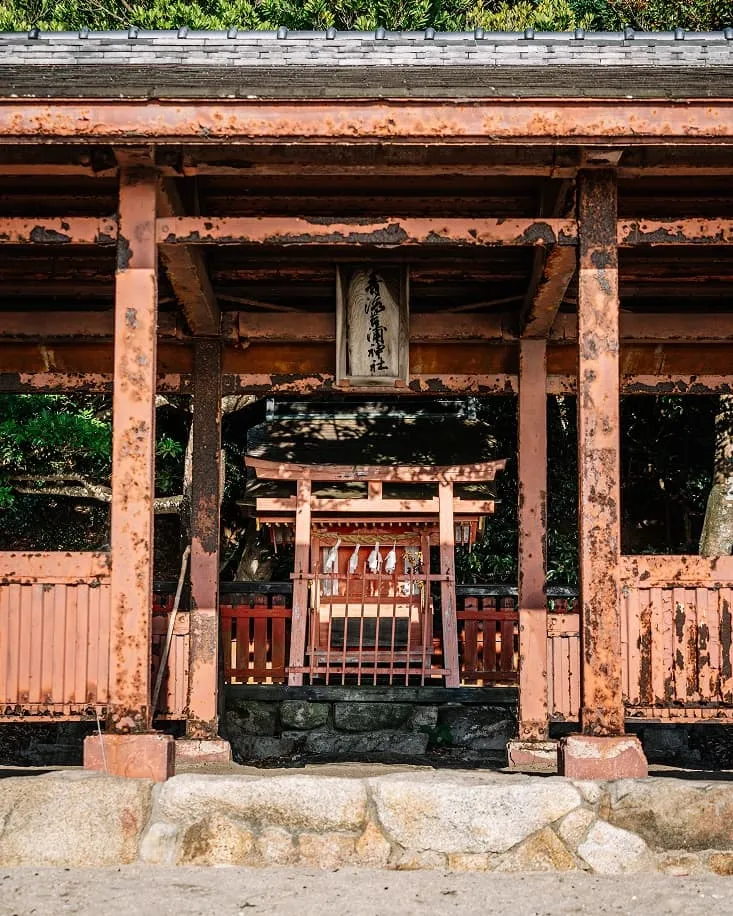 Aonoriura Shrine
 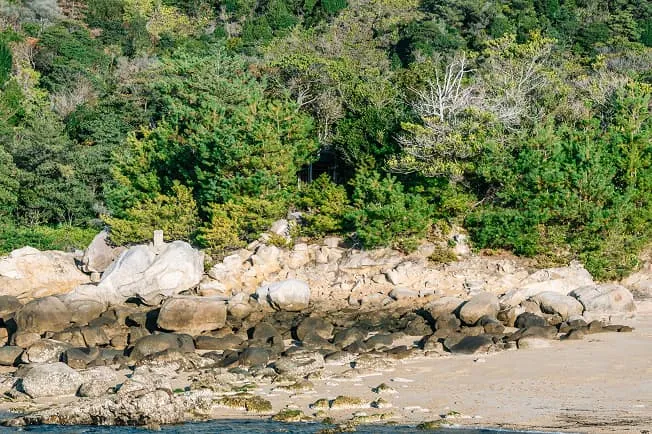 Yamashirohama Shrine
 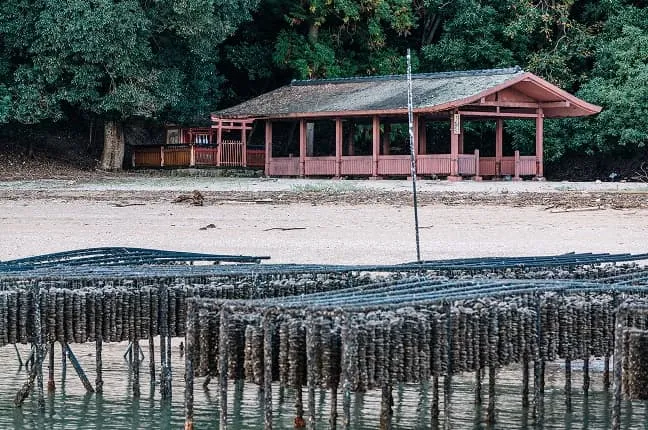 Suyanoura Shrine
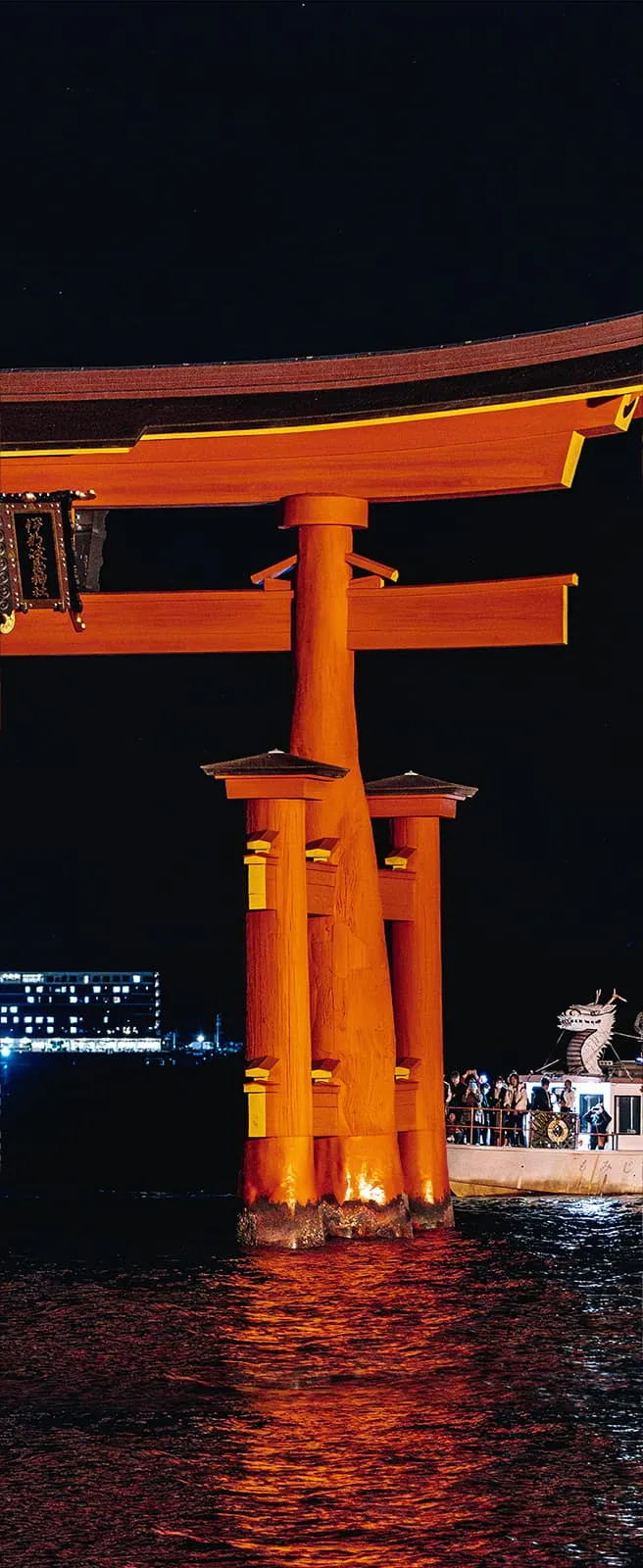
 On our Miyajima Tour Cruise, participants will visit each shrine by circling Itsukushima (Miyajima) clockwise, following the same route as the pilgrimage.
They will disembark at Aonoriura Shrine where participants will give their prayers. A Japanese-speaking guide on board will provide explanations of the Shinto ritual and of each shrine.
We invite you to take this special opportunity to encounter the beauty of Japan’s landscape and the legacy of prayer that has been passed down through generations.
Top Page
Itsukushima Pilgrimage and Ceremony